Natureprof
Articles / A Deep Dive into Herbal Product Law: The Difference Between Traditional Herbal Medicine and Developed Herbal Products
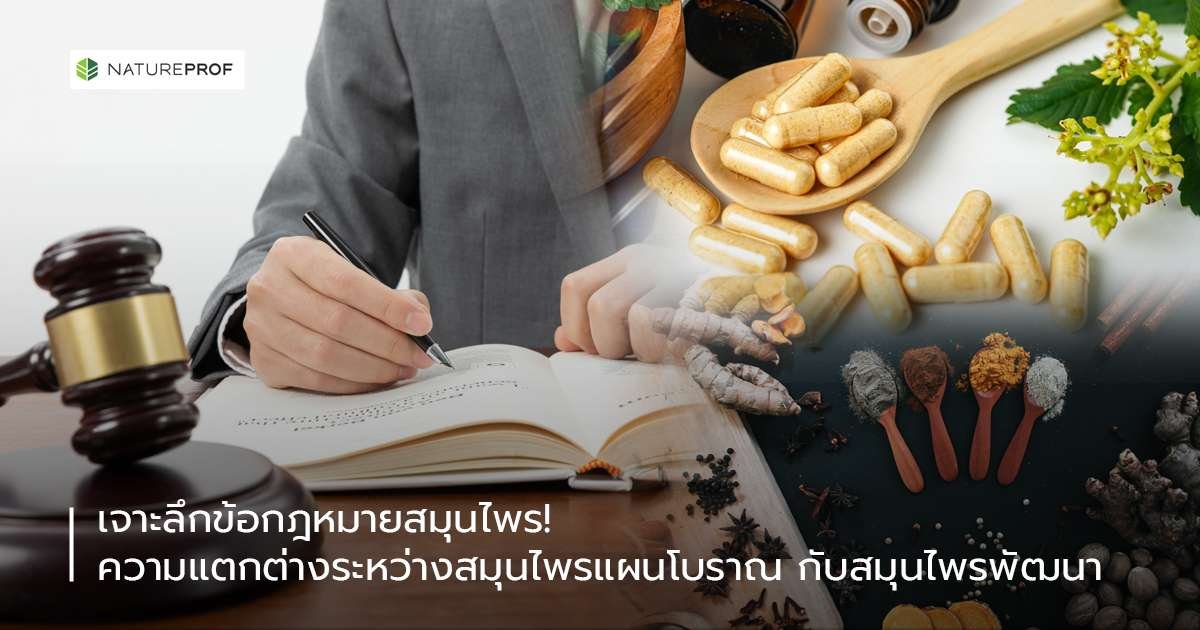
A Deep Dive into Herbal Product Law: The Difference Between Traditional Herbal Medicine and Developed Herbal Products

Articles : A Deep Dive into Herbal Product Law: The Difference Between Traditional Herbal Medicine and Developed Herbal Products

A Deep Dive into Herbal Product Law: The Difference Between Traditional Herbal Medicine and Developed Herbal Products

27 May 2026

Understand it correctly before building a brand and investing in the Thai herbal business

Contact Us!

Understand It Correctly Before Building a Brand and Investing in the Thai Herbal Business

Thailand's herbal industry is growing continuously, across health products, dietary supplements, and herbal cosmetics. Many brands are starting to view this market as a new opportunity connecting Thai wisdom with scientific innovation. At the same time, however, the laws governing herbal products in Thailand have developed to become more stringent and systematic — especially after the enactment of the Herbal Products Act B.E. 2562 (2019).

A Deep Dive into Herbal Product Law: The Difference Between Traditional Herbal Medicine and Developed Herbal Products

Building a Solid Foundation for the Herbal Business

For brand owners and investors, understanding this law correctly not only reduces legal risk, but also lays a solid foundation for the herbal business to grow sustainably — in line with the standards of the Food and Drug Administration (FDA) and with the trend of herbal product development at the international level.

The Meaning of "Herbal Product" Under Thai Law

The Meaning of "Herbal Product" Under Thai Law

The Herbal Products Act B.E. 2562 (2019) defines "herbal product" in detail as a product that has herbs as its main ingredient, used to treat, cure, alleviate, or prevent disease, including to enhance health or improve the functioning of the body — but excluding modern drugs, food, and cosmetics. This law also divides herbal products into several levels, with different oversight depending on the risk level of using the product.

The Transition From the Old Drug Law

Before 2019, most herbal products were still classified as traditional medicine. Enacting the Herbal Products Act B.E. 2562 created a dedicated system that accommodates both herbal products based on traditional wisdom and products developed scientifically. It requires manufacturers, importers, or distributors to obtain a license and comply with herbal GMP criteria, raw material quality control, and the complete preparation of registration documents.

Types of Herbal Products in Thailand

They are divided into two main categories: (1) herbal products in the "herbal medicine" category, and (2) herbal products in the "health product" category — each with different criteria, licensing methods, and permissible levels of efficacy claims.

Traditional Herbal Medicine vs Developed Herbal Products

Understanding these two main groups is an essential foundation before deciding to develop and register a product.

01

1. Herbal Medicine, or Traditional Herbal Products

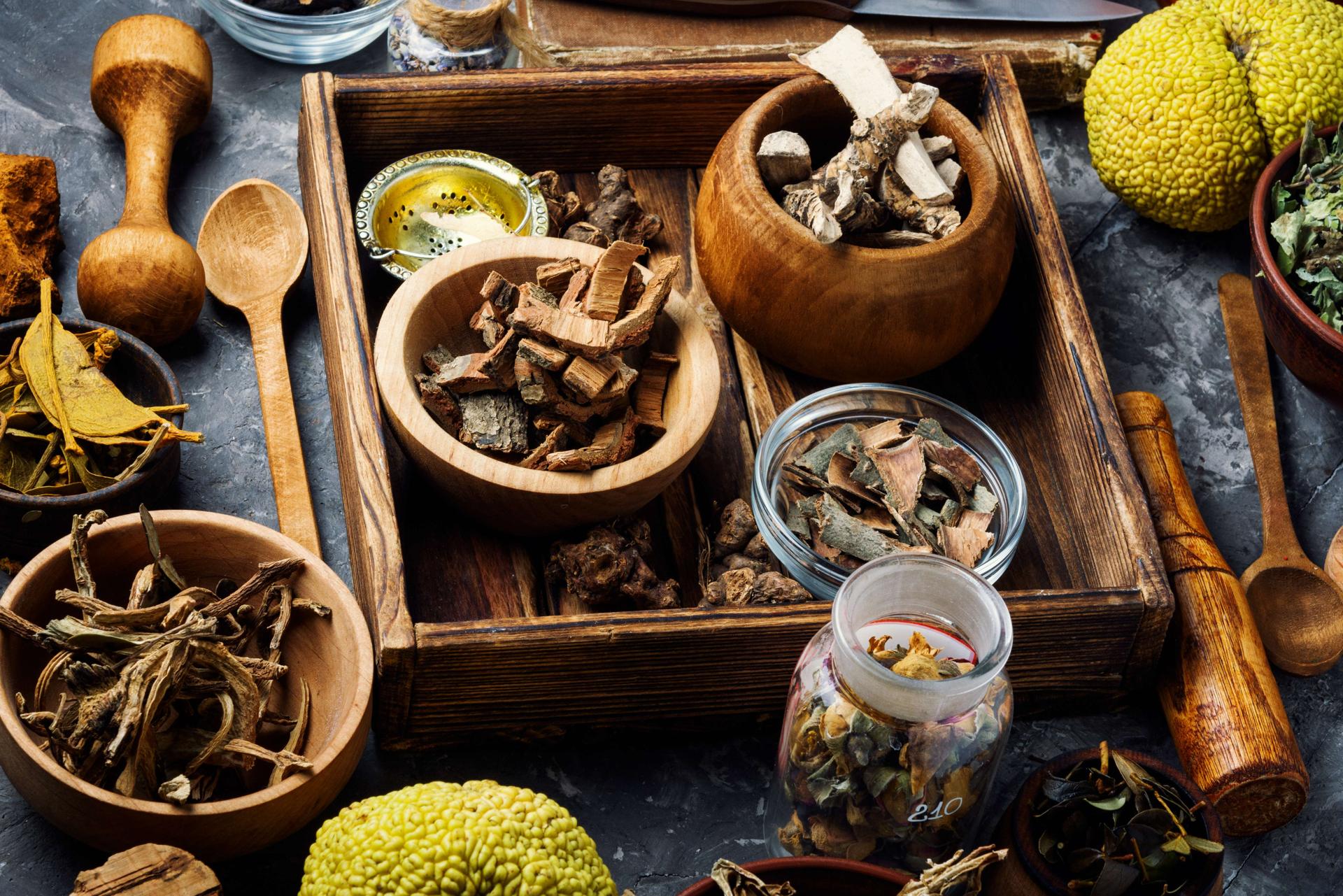
Products intended to treat, cure, or alleviate disease directly, with herbs as the main ingredient, often referencing Thai medicine recipes or local wisdom — such as Andrographis (fah talai jone), inhalant herbal remedies, herbal teas, or herbal pills. — They use traditional-wisdom data as supporting evidence for licensing, without needing full clinical research like modern drugs. They are registered as a "herbal product formula registration" and receive a registration number beginning with "G." Advantages: leverages the strength of Thai wisdom, with low research cost. Limitations: quality may vary between manufacturers, and it is hard to expand to international markets.
02

2. Drugs Developed From Herbs, or Innovative Herbal Products

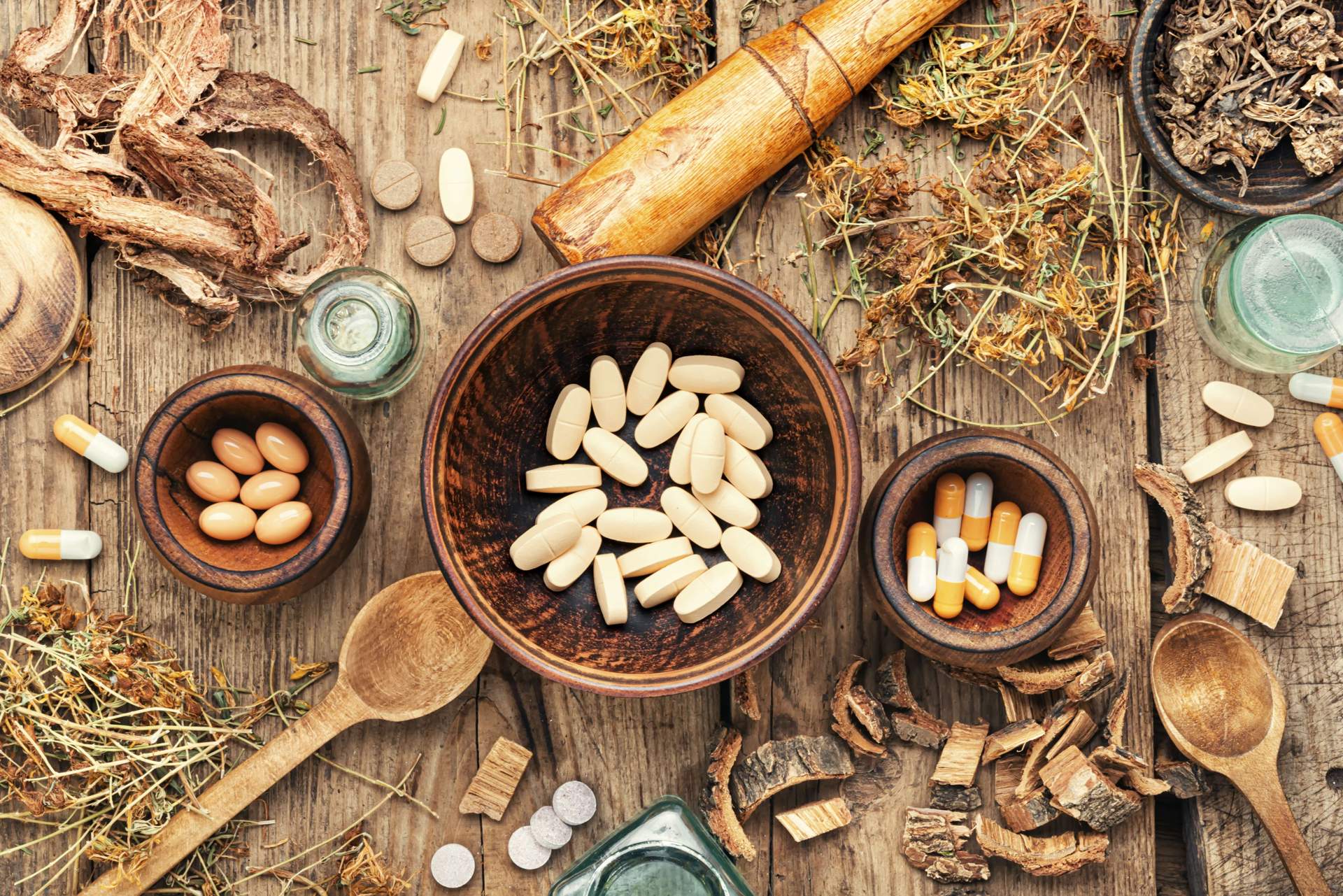
Products developed further from existing herbs by applying scientific technology — such as concentrating active substances, liposomes, microencapsulation, reformatting into capsules or gels, or extracts in cosmetics with biological testing. — They must have systematic supporting scientific data on safety, efficacy, and quality. The licensing process is more complex. Advantages: creates an innovation selling point, with high export potential, meeting the needs of modern consumers. Limitations: high cost, long research and licensing time, and the need for specialized personnel.

Traditional Herbal Medicine vs Developed Herbal Products

Strategic Perspectives for Brand Owners and Investment

Two Growth Paths for the Thai Herbal Business

The Thai herbal business can grow along two paths: wisdom-based development and science-based development. If you want to build a brand rooted in Thai identity, emphasizing local raw materials and a natural image, traditional herbal medicine is suitable, because it has low cost and can leverage cultural strengths as a marketing strategy. But if the goal is to expand into international markets and create high-value innovation, developed herbal products are more fitting — you must prioritize research, active-substance standard testing, and certification from international bodies such as ISO or COSMOS.

Two Growth Paths for the Thai Herbal Business

Understand the Law Deeply to Drive the Thai Herbal Business Sustainably

Understanding the laws on herbal products not only helps a business operate correctly, but also elevates the brand's credibility. The choice of whether to develop along the "traditional herbal medicine" or "developed herbal products" path should begin with a comprehensive analysis of the organization's readiness, budget, and marketing goals. In NatureProf's view, developing the Thai herbal industry should proceed along both paths simultaneously — traditional herbal medicine reflects the foundation of Thai wisdom, while developed herbal products are the bridge connecting that wisdom to the world of science and international markets.

Key Points Brand Owners and Investors Should Be Aware Of

1. Classify the Product Type Correctly From the Start

If a product is classified under the wrong type, it may delay licensing, be rejected, or have legal consequences.

2. Prepare Quality and Safety Data

Especially for developed herbal products, you must have complete laboratory test results and raw material standard verification.

3. Set Up Manufacturing to Herbal GMP

This is required by law for manufacturers — it is essential evidence for quality assurance and a condition of registration.

4. Labelling and Advertising

Must comply with FDA requirements, clearly specify the distribution channel, and not display exaggerated claims.

5. Continuously Monitor Government Policy

The FDA and the Department of Thai Traditional and Alternative Medicine regularly update guidelines to align with international standards.

Standards & Testing

The difference between traditional herbal medicine and developed herbal products — compared across key dimensions.

Main Purpose

Traditional herbal medicine: used according to wisdom to treat disease or alleviate symptoms | Developed herbal products: developed on a scientific basis to increase efficacy and safety

Supporting Evidence for Licensing

Traditional herbal medicine: based on medicine recipes and a history of actual use | Developed herbal products: must have scientific test results and may include clinical data

Product Form

Traditional herbal medicine: decoctions, herbal teas, herbal pills, powders | Developed herbal products: concentrated extracts, capsules, gels, creams, or technology-based formats

Regulation

Traditional herbal medicine: formula registration with the FDA, primarily using the medicine recipe | Developed herbal products: must pass more stringent quality and safety assessment

Business Target

Traditional herbal medicine: domestic market, consumers who trust Thai wisdom | Developed herbal products: premium market and international markets

Development Cost

Traditional herbal medicine: lower, suitable for beginners | Developed herbal products: higher, suitable for entrepreneurs with a long-term development plan

References

Sources

  • Herbal Products Act B.E. 2562 (2019). (2019, April 30). Government Gazette, Vol. 136, Part 34a.
  • Food and Drug Administration. (2021). Notification of the Herbal Products Committee on Criteria, Methods, and Conditions Concerning the Labelling of Herbal Products.
  • Food and Drug Administration. (2021). Notification of the Herbal Products Committee on Criteria, Methods, and Conditions Concerning the Advertising of Herbal Products.
  • Department of Thai Traditional and Alternative Medicine. (2023). Handbook on the Development and Licensing of Herbal Products for Entrepreneurs. Bangkok: Ministry of Public Health.
  • National Science and Technology Development Agency (NSTDA). (2021). The Herbal Product Act, B.E. 2562 and Opportunities for Thai Entrepreneurs. Bangkok: NSTDA Knowledge Sharing Series.
  • World Health Organization. (2013). WHO guidelines on good manufacturing practices (GMP) for herbal medicines. Geneva: World Health Organization.
  • Department of Thai Traditional and Alternative Medicine. (2023). National Action Plan on Thai Herbal Development Phase II (2023–2027). Ministry of Public Health, Thailand.

Why You Should Read Articles by Natureprof

  • Understand the Herbal Products Act B.E. 2562 and the difference between traditional vs developed herbal products
  • Guidance on herbal GMP registration and the points brand owners must be aware of
  • NatureProf is ready to support both the wisdom-based and the innovation-based herbal paths end to end

Start a Project

Interested in Developing Your Product with Us?

Ready to develop herbal products that comply with the law?

We Handle It All: Start Your Project Today

If you are a brand owner or investor who wants to develop traditional or developed herbal products, NatureProf (OEM / ODM manufacturer) is ready to consult on formula development, registration documentation, and herbal GMP standards. Contact our team of experts today.

Innovation from Nature, Ready for Market | Safe • Clean • Effective

Contact the Natureprof Team Today!