Natureprof
Articles / Thai Herbs: The New Power of the Wellness Economy and an Export Opportunity Investors Should Not Overlook
Thai Herbs: The New Power of the Wellness Economy and an Export Opportunity Investors Should Not Overlook

Articles : Thai Herbs: The New Power of the Wellness Economy and an Export Opportunity Investors Should Not Overlook

Thai Herbs: The New Power of the Wellness Economy and an Export Opportunity Investors Should Not Overlook

27 May 2026

From Thai wisdom to world standards — the herbal industry is on the rise

Contact Us!

From Thai Wisdom to World Standards: The Herbal Industry Is on the Rise

In recent years, "Thai herbs" have risen to become one of the most closely watched industries in the country. Amid a global trend of consumers returning to nature, safety, and sustainable health, herbs are no longer just a matter of folk medicine, but have become a "high-value wellness industry" with global export potential.

Thai Herbs: The New Power of the Wellness Economy and an Export Opportunity Investors Should Not Overlook

The Market Value of Thai Herbs

Data from the Trade Policy and Strategy Office (TPSO) indicates that the Thai herbal market had a total value of more than 44.8 billion baht in 2024, and is expected to grow to the 100-billion-baht level by 2027, with an average growth rate of about 6% per year. The main factor is rising consumer demand both domestically and abroad, especially in China, Europe, the United States, and ASEAN — all markets that prioritize natural products and long-term safety.

Thai Herbs and Their Potential in the Global Market

Thai Herbs and Their Potential in the Global Market

Thailand is one of the most biodiverse countries in Asia, with more than 2,000 registered medicinal plant species and a wisdom of using herbs for health spanning hundreds of years. This knowledge is being elevated by modern research and technology, making Thai herbs not only "good for health" but also "credible" at the international level. Data from Euromonitor indicates that the herbal wellness industry is worth more than 2.7 trillion baht and grows continuously at an average of 4–6% per year, while Thailand still holds only a small market share — meaning a "huge opportunity" for producers and investors ready to enter this market professionally.

Biodiversity

Thailand has more than 2,000 registered medicinal plant species, with a wisdom of using herbs for health spanning hundreds of years

Global Market Opportunity

Euromonitor estimates the global herbal market at ~2.7 trillion baht; Thailand still holds a small share — a huge opportunity for producers and investors

Thai Soft Power

The image of a "country of health and spas" has become an important Soft Power for Thailand on the world stage, and a base for entrepreneurs to build valuable commercial ventures

China, Europe, the US, and ASEAN: Open Target Markets

Herbal markets in each region differ in character, but what they share is "demand for quality, safe natural products."

01

1. The Chinese Market

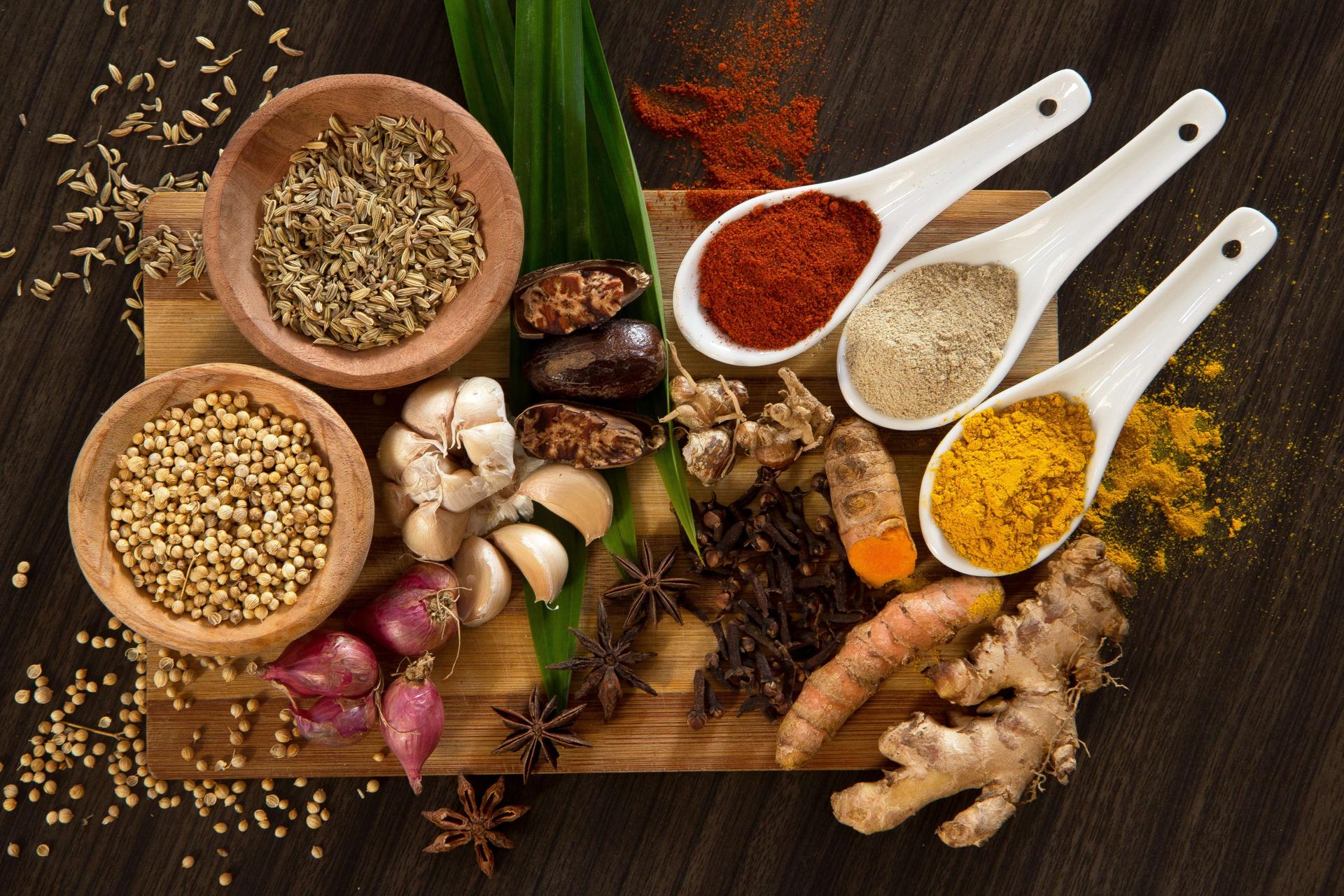
Still the world's number one market for herbs and traditional medicine. Imports of herbal raw materials increased from 72,000 tons in 2014 to more than 260,000 tons in 2023, especially Southeast Asian herbs such as turmeric, cardamom, bastard cardamom, and ginger, which Thailand has the potential to grow and extract at high quality. China has already permitted the import of more than 28 herb items from Thailand.
02

2. The European Market

The fastest-growing market for organic and natural health products. European consumers value sustainability and the story behind a product. Thai herbs with a distinctive image, such as aloe vera, turmeric, or mangosteen, have a good chance of building niche brands, especially in Germany, France, and the Netherlands — but they must pass GMP, ISO, and ECOCERT standards.

03

3. The United States Market

A large market for herbal dietary supplements, worth more than 360 billion baht per year. Highly popular herbs include turmeric (curcumin), black ginger, and ginseng. The key point is that products must comply with the DSHEA law and GMP standards, and avoid exaggerated efficacy claims.

04

4. The ASEAN Market

A golden short-term opportunity for Thai entrepreneurs, thanks to cultural proximity and similar beliefs about herbs. Neighboring countries such as Vietnam, Cambodia, and Laos already favor Thai herbal products — inhalers, balms, massage oils, and spa products. Thai brands can easily expand if they register correctly under the law, such as Halal in Malaysia or Jamu medicine registration in Indonesia.

China, Europe, the US, and ASEAN: Open Target Markets

Soft Power, Opportunity, and the NatureProf Partnership

Creating Added Value Through Storytelling and Wellness Marketing

In an era when consumers buy products based on "story" more than "price," the marketing of Thai herbal products must emphasize naturalness, sustainability, and Thai wisdom. For example, a brand using turmeric from Phang Nga province might tell the story of organic cultivation by the community, using cold-pressed coconut oil from Koh Samui, and extraction by an organic-certified factory like NatureProf. Brands that grow well often blend the art of herbs with modern science — something achievable within the NatureProf factory network.

Creating Added Value Through Storytelling and Wellness Marketing

Thai Herbs as the New Soft Power of the Thai Economy

The Thai government has designated "herbs and natural health products" as one of the country's target industries (S-Curve). The Ministry of Public Health announced the "National List of Essential Herbal Medicines (2nd Edition, B.E. 2568 / 2025)," adding 7 new formulas, such as the chili remedy, Plai formula 2, and Andrographis. With government support and the private sector ready with technology and factories, this is the best moment for brand owners and investors.

NatureProf: The Partner That Takes Thai Brands Further Than You Imagine

With more than 10 years of experience in the health and beauty product industry, NatureProf is not just a "manufacturer" but a "brand co-creator" that understands the production chain, export standards, and global consumer trends. Whether herbs in the form of capsules, powder, gel, cream, serum, or health drinks, NatureProf's R&D team is ready to develop specific formulas to match your target market, along with packaging design services, export documentation, and end-to-end marketing strategy consultation. From Thai wisdom to the global market, NatureProf (OEM / ODM manufacturer) is ready to be the partner in making that journey a reality.

The Advantage of Producers With Standardized Factories

1. World-Class Manufacturing Standards

NatureProf provides end-to-end manufacturing services (OEM/ODM) for dietary supplements, herbal medicines, cosmetics, and health drinks, certified to GMP, ISO 22716, ISO 9001:2015, ECOCERT COSMOS, and Halal standards.

2. An R&D Team and Brand-Specific Formulas

NatureProf has the capability to develop brand-specific herbal formulas with an R&D research team and biochemistry scientists expert in extracting active substances from Thai plants and herbs.

3. Documentation Supporting Export

Preparing technical documents to support export, such as MSDS, COA, Spec Sheet, and Heavy Metal & Microbial Analysis test results, which international partners greatly value.

4. A Traceability System

Brand owners who manufacture with NatureProf can be confident their products will meet the standards required for sale both domestically and abroad, without wasting time starting from zero.

Standards & Testing

Rising-star herbs that international markets want.

Turmeric (Curcumin)

Curcumin has anti-inflammatory and antioxidant properties recognized worldwide. Thai turmeric dietary supplements compete directly in the US and European markets.

Black Ginger

Contains flavonoids that help boost energy and blood circulation, becoming popular in Japan, Korea, and Europe, especially in the energy and recovery product groups.

Andrographis

Gained recognition after widespread use during COVID-19. It is on Thailand's National List of Essential Herbal Medicines, increasing medical credibility and the potential to develop it into an exportable herbal medicine.

Herbs in Cosmetics

Aloe vera, mangosteen, Centella asiatica, and turmeric are used in skincare and spa products worldwide. If developed with clinically active extracts or liposome technology, they create differentiation and added value for Thai brands.

References

Sources

  • Bangkok Biz News. (2025, March 8). Advantages and Rising Stars: Thai "Health Products" Elevate Their Export Push. Retrieved from https://www.bangkokbiznews.com
  • Bangkok Biz News. (2024, August 16). Thai Herbs: An Opportunity for Thai Entrepreneurs to Build Commercial Ventures for the Global Market. Retrieved from https://www.bangkokbiznews.com
  • Ministry of Commerce, Trade Policy and Strategy Office. (2024, July). Thai Herbal Market Report 2024. Bangkok: Ministry of Commerce.
  • Ministry of Public Health, Department of Thai Traditional and Alternative Medicine. (2025, March). Announcement of the National List of Essential Herbal Medicines (2nd Edition) B.E. 2568 (2025). Bangkok: Ministry of Public Health.
  • Food and Drug Administration. (2024). Think Wellness, Think Thai Herb: Thai Herb Soft Power Initiative. Bangkok: Food and Drug Administration.
  • Xinhua News Agency. (2023, November 28). Statistics on China's Herbal Imports and Exports. Retrieved from https://www.xinhuanet.com
  • The Coverage. (2025, March 20). The 2nd Edition of the Essential Herbal Medicines List Adjusts and Adds Medicines, Totaling 29 Items. Retrieved from https://thecoverage.info
  • Trade Policy and Strategy Office. (2024). Herbal Market Trends and Export Opportunities 2024. Bangkok: Ministry of Commerce.
  • Forbes Thailand. (2024, April 30). How Much Opportunity Does Thailand Have in the Global Herbal Market, Which by 2030 May Reach 2.7 Trillion. Retrieved from https://www.forbesthailand.com
  • Euromonitor International. (2024). Global Herbal Products Market Forecast 2024–2030. Euromonitor International.

Why You Should Read Articles by Natureprof

  • An overview of the Thai herbal market, export opportunities, and the rising-star herbs the world wants
  • Analysis of target markets — China, Europe, the US, and ASEAN — with their standard requirements
  • NatureProf OEM/ODM is ready to support Thai herbal brands into the global market end to end

Start a Project

Interested in Developing Your Product with Us?

Ready to build a Thai herbal brand for the global market?

We Handle It All: Start Your Project Today

If you are a brand owner or investor who wants to develop high-value herbal products, NatureProf (OEM / ODM manufacturer) is ready to be the partner in building the journey from Thai wisdom to world standards. Contact our team of experts today.

Innovation from Nature, Ready for Market | Safe • Clean • Effective

Contact the Natureprof Team Today!