
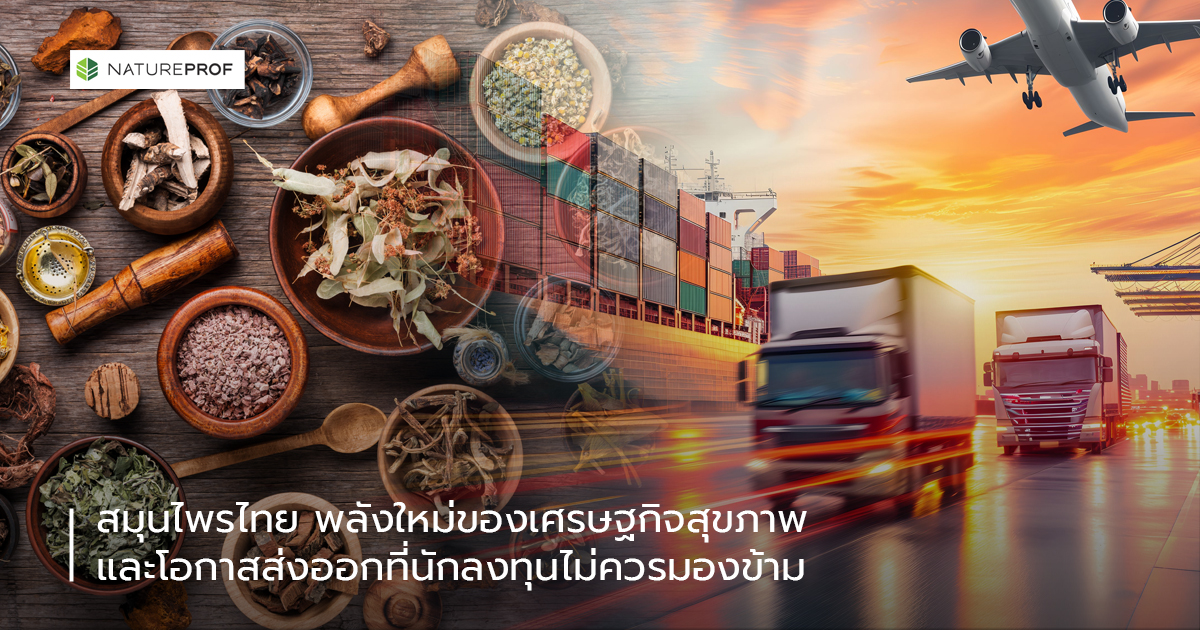
From Thai Wisdom to Global Standards: The Rise of the Herbal Industry
In recent years, Thai herbs have emerged as one of the most closely watched industries in the country. Amid a global shift where consumers are turning back to nature, safety, and sustainable health, herbs are no longer only about traditional medicine. They have become a high-value health industry with strong potential for export on a global scale.
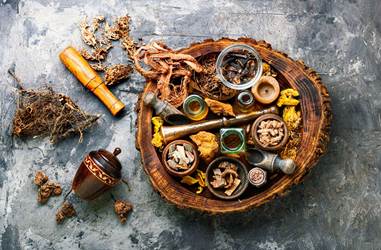
Image name : Thai Herbs – The New Powerhouse of the Health Economy and an Export Opportunity Investors Should Not Overlook
Data from the Trade Policy and Strategy Office (TPSO) indicate that the Thai herbal market had a total value of more than 44,800 million baht in 2567 and is expected to grow to 100,000 million baht by 2570, with an average annual growth rate of around 6%. The main drivers are increasing consumer demand both domestically and internationally, especially in China, Europe, the United States, and ASEAN—markets that all place strong emphasis on natural products and long-term safety.
Thai Herbs and Their Potential in the Global Market
Thailand is among the countries with the highest biodiversity in Asia, with more than 2,000 registered species of medicinal plants and centuries of traditional knowledge on using herbs for health. This body of knowledge is now being elevated by modern research and technology, making Thai herbs not only good for health but also credible at the international level.
In the global market, Euromonitor data show that the herbal health products industry is worth more than 2.7 trillion baht and continues to grow at an average of 4–6% per year. Thailand still accounts for only a small market share, which means tremendous opportunity for manufacturers and investors who are ready to enter this market professionally.
Another strength of Thailand is its image as a land of health and spa, which is well known among international visitors—whether in raw materials, home fragrance, massage oils, or natural beauty products. This perception has become an important element of Thailand’s Soft Power on the world stage and a foundation that entrepreneurs can further develop into high-value commercial opportunities.
China, Europe, the United States, and ASEAN : Target Markets Wide Open to Thai Herbs
Each regional herbal market has its own characteristics, but what they share is strong demand for natural products that are high-quality and safe.
China remains the world’s number-one primary market for herbs and traditional medicines. According to statistics from China’s customs authority, imports of herbal raw materials increased from 72,000 tons in 2557 to more than 260,000 tons in 2566, particularly herbs from Southeast Asia such as turmeric, cardamom, cardamom seeds, and ginger, for which Thailand has strong cultivation and extraction capabilities. China has already authorized the import of more than 28 herbal items from Thailand, such as dried betel nut, dried chili, and dried longan pulp, reflecting how open this market is to Thai producers that can meet China’s quality standards.
Europe is the fastest-growing market for organic and natural health products. European consumers value sustainability and product storytelling. This gives Thai herbs with strong images—such as aloe vera, turmeric, and mangosteen—good potential to build niche brands, especially in Germany, France, and the Netherlands. However, this market is highly regulated, for example through the Traditional Herbal Medicinal Products Directive and novel food regulations. Therefore, manufacturers must meet GMP, ISO, and ECOCERT standards for products to be authorized properly.
The United States is a major market for herbal dietary supplements, worth more than 360,000 million baht per year, and it has continued to expand since COVID-19. Popular herbs include turmeric (curcumin), black ginger, and ginseng, for which Thailand has high-quality raw materials and competitive export prices. A key point is that products must comply with DSHEA and GMP standards for dietary supplements and avoid overclaiming their health benefits. Manufacturers that have systems for active ingredient verification and can issue supporting documents such as COA, MSDS, and TDS gain a strong competitive advantage.
As for ASEAN, it represents a golden short-term opportunity for Thai entrepreneurs due to cultural proximity and similar beliefs about herbal medicine. Neighboring countries such as Vietnam, Cambodia, and Laos already widely use Thai herbal products in forms such as inhalers, balms, massage oils, and spa products. Thai brands can expand more easily into these markets if they register their products correctly according to each country’s regulations—for example, Halal certification in Malaysia and Jamu herbal medicine registration in Indonesia.
Rising Star Herbs in High Demand Overseas
One of the herbs with consistently high demand is turmeric. Curcumin, the active compound in turmeric, has anti-inflammatory and antioxidant properties that are recognized worldwide. Thai turmeric dietary supplements can therefore compete directly in the U.S. and European markets.
Another herb to watch is black ginger, which contains flavonoids that help increase energy and improve blood circulation. It is gaining popularity in Japan, Korea, and Europe, particularly in energy supplements and products for restoring physical performance.
Andrographis paniculata (Fa Thalai Chon) is another herb that gained significant recognition during the COVID-19 pandemic. It is now listed in Thailand’s National List of Essential Herbal Medicines, which strengthens its medical credibility and supports development into traditional herbal medicines for export.
In the cosmetics segment, Thai herbs such as aloe vera, mangosteen, Centella asiatica, and turmeric are already used in skincare and spa products around the world. However, if formulations are further developed to match target markets—for example by incorporating natural extracts with clinical data or using advanced extraction and encapsulation technologies such as liposomes—Thai brands can create clear differentiation and significantly higher value.
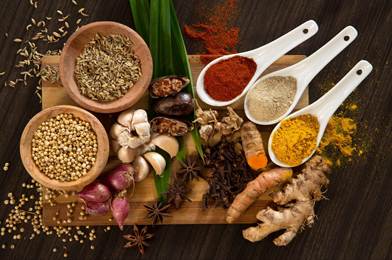
Image name : Thai Herbs – The New Powerhouse of the Health Economy and an Export Opportunity Investors Should Not Overlook
The Advantage of Thai Manufacturers with Standardized Facilities
Even though the global herbal market is wide open, the biggest constraints are manufacturing standards and quality assurance, which are often critical obstacles for small entrepreneurs wishing to export.
This is precisely where the NatureProf factory plays a key role. NatureProf provides comprehensive (OEM/ODM) manufacturing services for dietary supplements, herbal medicines, cosmetics, and health beverages, and it is certified to international standards such as:
● GMP and ISO 22716 for cosmetics
● ISO 9001:2015 for quality management systems
● ECOCERT COSMOS standards for organic products
● Halal standards to serve Muslim markets
● Traceability systems to support export requirements
NatureProf has the capability to develop herbal formulations tailored to each brand, backed by an R&D team and biochemists specializing in extracting active compounds from Thai plants and herbs. It can also prepare technical documentation to support export, such as MSDS, COA, spec sheets, and heavy metal & microbial analysis reports, which are highly valued by international partners.
Brand owners who manufacture with NatureProf can therefore be confident that their products will meet standards for both domestic and international markets without needing to start everything from scratch.
Creating Added Value through Storytelling and Health Marketing
In an era where consumers buy products more for their story than just their price, marketing for Thai herbal products must emphasize naturalness, sustainability, and Thai wisdom.
For example, a brand that uses turmeric from Phang-nga province might tell a story about organically grown crops cultivated by local communities, extracted using cold-pressed coconut oil from Koh Samui as the solvent, and processed in an organic-certified factory like NatureProf. Stories like these create strong brand value for international consumers who are willing to pay more for products that have origin, standards, and soul.
Brands that thrive today often combine the art of herbal medicine with modern science—for instance, dietary supplements validated through biomarker testing, herbal cosmetics backed by clinical research, or herbal teas with verified active compound assays. All of this can be implemented within NatureProf’s network of factories, which are fully equipped for testing and product development.
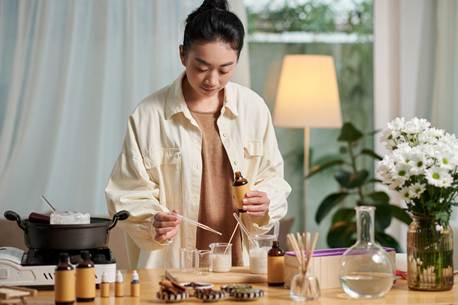
Image name : Thai Herbs – The New Powerhouse of the Health Economy and an Export Opportunity Investors Should Not Overlook
Thai Herbs as a New Form of Soft Power for the Thai Economy
The Thai government has designated herbs and natural health products as one of the country’s target (S-Curve) industries. There is integrated collaboration among agencies such as the Ministry of Public Health, the Department of Thai Traditional and Alternative Medicine, and the Department of International Trade Promotion to position Thailand as the herbal hub of ASEAN.
In addition, the Ministry of Public Health announced the National List of Essential Herbal Medicines (Edition 2, B.E. 2568), adding seven new herbal formulations and revising indications for five existing ones—for example chili preparation, Phlai formula 2, and Andrographis paniculata. This underscores the government’s serious promotion of herbal use in the public health system, strengthening credibility and increasing economic value for producers.
With the government’s support and the private sector equipped with technology and manufacturing facilities, this is the ideal moment for brand owners and investors to enter the industry.
Opportunities in Front of Brand Owners and Investors
What the herbal market needs right now are new players who are ready to do things correctly and sustainably:
● Those ready to develop high-value products such as concentrated extracts, capsules, or ready-to-drink products instead of merely selling raw materials
● Those who understand international standards and can collaborate with fully certified factories such as NatureProf
● Those bold enough to build brands around Thai stories—not just selling herbs, but selling trust and value
● Those who leverage technology and digital marketing to reach global consumers effectively
If you are one of these people, the herbal health industry is waiting for you to come and make a difference—and build sustainable revenue.
NatureProf : A Partner That Takes Thai Brands Further Than Expected
With more than 10 years of experience in the health and beauty products industry, NatureProf is not just a manufacturer but a brand-building partner that understands the entire production chain, export requirements, and global consumer trends.
Whether your herbal product is in capsule, powder, gel, cream, serum, or health beverage form, NatureProf’s R&D team can develop customized formulations aligned with your target market, while also providing packaging design, export documentation, and comprehensive marketing strategy consulting.
Brands that start with NatureProf receive support from concept to finished product, along with a quality system that enables full traceability at every step. This greatly reduces risks related to product quality and foreign regulations.
From Thai Wisdom to Global Markets : A Window of Opportunity for Thai Entrepreneurs
Thailand’s herbal health market is moving forward steadily, and this is a moment investors and brand owners should not overlook. The convergence of Thai wisdom, modern technology, and international standards is the key to taking Thai brands all the way to the global stage.
NatureProf (OEM factory / ODM factory) is ready to be your partner in making that journey a reality. In an era when consumers around the world seek naturalness, safety, and cultural value, Thai herbs are one of the best answers—and your brand could be the next to carry Thai wisdom into global standards.